Yes, a coaching institute business is legal in India, provided it follows the applicable registration, safety, consumer-protection and local education rules.
Coaching institutes provide academic tuition, competitive-examination preparation, language training and professional guidance. Although no single central licence applies to every coaching institute in India, owners cannot simply rent a room, enrol students and ignore local regulations. The requirements depend on the state, city, number of students and nature of the courses offered.
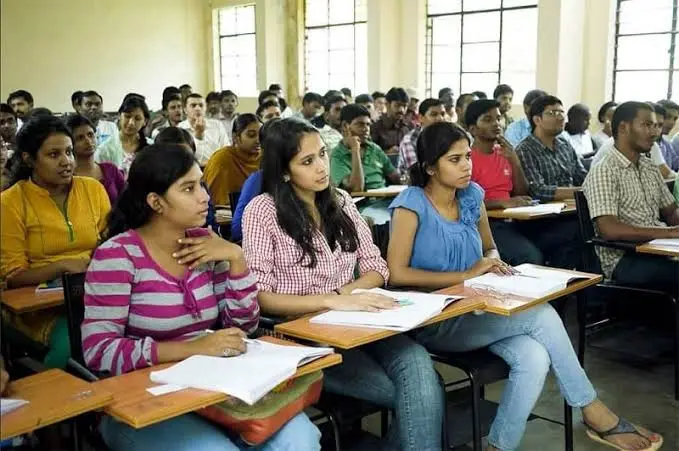
Legal Status of Coaching Institutes
A private coaching institute does not normally require recognition from CBSE, ICSE, UGC or AICTE when it only provides supplementary coaching. However, it must not present itself as a recognised school, college or university.
The Ministry of Education issued the Guidelines for Regulation of Coaching Centres in 2024. These are model guidelines intended to help states and Union Territories create or strengthen their own registration systems. Therefore, the exact registration procedure and enforceability of particular conditions may differ between states.
Before starting the business, the owner should check the rules issued by the state education department, municipal authority and district administration.
Business Registration
A coaching institute may operate as a sole proprietorship, partnership, LLP, private limited company, society or trust. The suitable structure depends on the number of owners and scale of operation.
Common registrations may include:
- PAN and a business bank account
- Shops and Establishments registration
- Municipal trade licence
- GST registration when applicable
- Udyam registration for MSME benefits
- Professional tax registration in applicable states
- Registration under state coaching-centre rules
Business registration does not automatically authorise the institute to issue recognised degrees or diplomas.
Registration Under State Coaching Rules
Some states and local authorities require coaching centres to register with a designated education or administrative authority. Documents may include details of the premises, tutors, fees, courses, student capacity, fire-safety arrangements and counselling facilities.
Where the 2024 model guidelines have been adopted, conditions may include restrictions on enrolling students below 16 years of age or before completion of the secondary-school examination. Operators should verify the exact rule applicable in their state rather than assuming that one condition applies uniformly across India.
Separate branches may also require separate local registrations.
Premises and Fire Safety
The premises must be legally permitted for commercial or institutional use. Operating a large coaching centre from a residential flat may violate municipal land-use rules, lease conditions or housing-society regulations.
The institute should have:
- Adequate classroom space
- Safe entry and emergency exits
- Fire extinguishers and evacuation arrangements
- Proper ventilation and lighting
- Clean drinking water
- Suitable toilet facilities
- First-aid arrangements
- Safe electrical installations
- Occupancy or building approval where required
A fire-safety certificate may be compulsory depending on the building, student capacity and local rules. Overcrowding classrooms or blocking exits can result in closure and prosecution.
Teacher Qualifications and Student Safety
The institute should employ teachers who possess suitable academic qualifications and subject knowledge. Any qualification or experience advertised for a teacher must be accurate.
Institutes serving minors should adopt strong child-safety measures. These may include employee verification, CCTV in common areas, attendance records, emergency contacts and a written complaint procedure.
Harassment, corporal punishment, discrimination and inappropriate conduct with students can attract serious legal action. Obligations under child-protection laws apply even when the organisation is not a formal school.
Fees, Refunds and Student Records
Course fees, duration, class schedule, study material and refund conditions should be disclosed before admission. Every payment should be supported by a proper receipt.
The admission form should not contain one-sided terms allowing the institute to change faculty, course duration or fees without justification. State rules may require proportionate refunds when a student withdraws from a course.
Even where a particular refund rule does not apply, refusing a refund after failing to provide the promised service may amount to an unfair trade practice or deficiency in service under the Consumer Protection Act, 2019.
Rules for Coaching Advertisements
The Central Consumer Protection Authority issued specific guidelines against misleading coaching advertisements in 2024.
A coaching institute must not make false claims such as:
- “100% selection guaranteed”
- “Guaranteed government job”
- “India’s number one institute” without evidence
- “Best faculty” when the advertised faculty does not teach the batch
- False success rates or examination ranks
- Assured admission to a school or college
- Fake limited-seat or last-date messages
- Misleading information about fees and refunds
When using a successful student’s photograph, name or testimonial, the institute must obtain written consent after the student’s success. The advertisement should clearly disclose relevant details such as the student’s rank, course and course duration. Important disclaimers should not be hidden in tiny text.
GST and Tax Compliance
Coaching provided by private commercial institutes is generally treated as a taxable service under GST unless a specific exemption applies. GST registration becomes necessary when the business crosses the applicable turnover limit or falls under another compulsory-registration category.
The institute must also maintain proper accounts, issue invoices, file income-tax returns and deduct TDS wherever required.
When Can the Business Become Illegal?
A coaching institute may face legal action when it:
- Operates without a required state or municipal registration
- Uses unsafe or unauthorised premises
- Enrols students in violation of applicable age restrictions
- Makes guaranteed-selection or false placement claims
- Uses fake teachers, ranks or testimonials
- Issues unauthorised degrees and diplomas
- Collects fees without giving receipts
- Refuses legitimate refunds unfairly
- Violates fire-safety or child-protection rules
- Conceals important information from students
Authorities may impose penalties, order refunds, cancel registration or close the premises.
Bottom Line
A coaching institute business is legal in India, but compliance extends beyond ordinary company registration. The owner must verify state coaching rules, use safe premises, disclose fees honestly, employ suitable teachers and avoid misleading success claims. Since regulations differ between locations, local approval should be confirmed before admissions begin.
Frequently Asked Questions
Q1. Can a coaching institute operate from home?
A: Small home tuition is generally permitted, but regular batches may violate residential land-use, tenancy or housing-society rules. Local municipal permission should be checked before inviting multiple students.
Q2. Can a coaching institute issue certificates?
A: It may issue a private course-completion certificate. However, it cannot describe the certificate as a government-recognised degree, diploma or professional qualification without proper authority.
Q3. Can a school teacher run a private coaching institute?
A: It depends on the teacher’s employment contract, service rules and applicable education laws. Government teachers and certain school employees may be prohibited from engaging in private tuition.
Q4. Is a separate licence required for online coaching?
A: A general education licence may not always be required, but business, GST, consumer-protection, privacy and advertising rules still apply. The institute must disclose course access, cancellation and refund conditions clearly.