The first heavy rain of the season strikes a rooftop. Instead of disappearing into a roadside drain, the water passes through gutters, filters and a first-flush system before entering a storage tank. As water shortages become common in many Indian cities, such systems are finding buyers among homeowners, builders, factories, schools and housing societies. This growing demand creates an important business opportunity—but is selling and installing rainwater harvesting equipment legal in India?
Yes, the rainwater harvesting equipment business is legal in India, provided the owner follows applicable business, tax, product-safety, environmental and local municipal regulations.
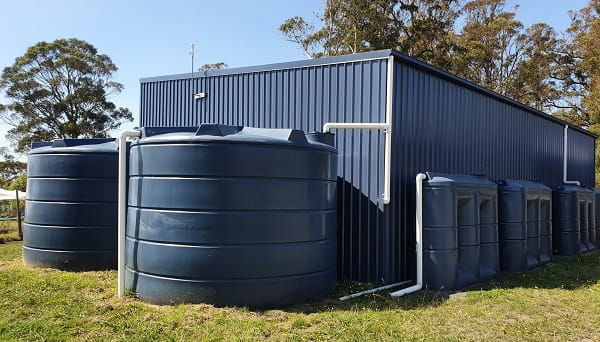
Legal Status of Rainwater Harvesting Equipment Business
India does not have a central law prohibiting the manufacture, sale or installation of rainwater harvesting equipment. A business may legally sell products such as:
- Rooftop gutters and downpipes
- First-flush diverters
- Rainwater filters and mesh screens
- Storage tanks and level indicators
- Pumps and control systems
- Recharge-pit components
- Underground water-storage systems
There is no single nationwide licence created exclusively for rainwater harvesting equipment dealers or installers. However, local building rules, groundwater regulations and product-specific standards may apply to a particular project.
The Model Building Bye-Laws, 2016 contain provisions for rainwater harvesting, but their implementation is handled by state governments, urban development authorities and municipal bodies. Therefore, installation requirements can differ between cities and states. Government guidance confirms that local authorities are responsible for implementation.
Business Registration and Tax Requirements
A small equipment seller or installer may begin as a sole proprietorship. Depending on the business model, the owner may need:
- PAN and a current bank account
- Registration under the applicable Shops and Establishments law
- Municipal trade licence, where required
- Udyam registration for obtaining MSME benefits, although it is not compulsory
- Proper invoices, purchase records and warranty documents
- Income-tax return filing
- GST registration after crossing the applicable turnover limit
- Import Export Code when directly importing equipment
- Factory, fire and pollution-related approvals for manufacturing units
GST rules require particular care because the business may supply only goods or may provide equipment along with installation. For eligible businesses dealing exclusively in goods, the registration threshold is generally ₹40 lakh in most states and ₹20 lakh in specified states. For service providers, it is generally ₹20 lakh and ₹10 lakh in Manipur, Mizoram, Nagaland and Tripura. Exceptions and compulsory-registration situations may apply, so a turnkey supplier should confirm the correct GST treatment with a tax professional. CBIC explains the applicable registration thresholds here.
Are BIS Standards Compulsory?
The Bureau of Indian Standards has published IS 15797:2008, which provides guidelines for rooftop rainwater harvesting. It covers matters such as water availability, catchment design, storage, recharge structures and maintenance. The standard is listed in BIS guidance on rainwater harvesting.
However, having a rainwater harvesting business does not automatically require one common BIS licence for the entire system. Individual items such as pipes, electrical components, pumps or tanks may be covered by separate standards or Quality Control Orders.
Whenever a product is notified under a compulsory Quality Control Order, it cannot legally be manufactured, imported or sold without the required BIS certification and Standard Mark. Businesses should check the current compulsory-product list for every major component they manufacture or import. BIS maintains the compulsory-certification list.
When Can the Business Become Illegal?
Selling Defective or Falsely Labelled Products
A seller must not provide false information about tank capacity, filter life, material quality or water-saving ability. Using a fake ISI mark or claiming BIS approval without a valid licence can result in legal action.
Making Unsafe Drinking-Water Claims
Collected rainwater is not automatically safe for drinking. Its quality can be affected by dust, bird droppings, chemicals and microorganisms. A business should not advertise that its basic collection system produces completely safe drinking water unless the system includes suitable treatment and the water has been properly tested.
Careless or Unauthorised Installation
A poorly designed recharge pit may introduce contaminated water into the ground or damage a building’s foundation. Contractors must follow local building rules and obtain required approvals before carrying out drilling, structural alteration or groundwater-recharge work.
Violating Manufacturing and Waste Rules
A unit manufacturing plastic tanks, filters or metal components may require Consent to Establish and Consent to Operate from the State Pollution Control Board, depending on its process and classification. Producers, importers and brand owners introducing plastic packaging may also have Extended Producer Responsibility obligations under the Plastic Waste Management Rules.
Causing Loss Through a Defective System
The Consumer Protection Act, 2019 covers defective products, deficient installation services, misleading advertisements and product liability. A manufacturer or installer may be held responsible if a defective tank, unsafe structure or negligent installation causes injury or property damage. India Code explains the product-liability provisions.
Can Rainwater Harvesting Equipment Be Sold Online?
Yes. Equipment can legally be sold through a company website, online marketplace or social-media page. The seller should clearly provide product specifications, price, delivery charges, installation scope, warranty, return conditions and customer-care details. Online advertisements should not promise impossible water savings or claim that one standard system is suitable for every building.
Bottom Line
Rainwater harvesting equipment is a legal and environmentally useful business in India. The main requirements depend on whether the entrepreneur is selling, importing, manufacturing or installing the equipment. Honest product claims, proper GST compliance, safe technical design, valid certifications and respect for local building rules are essential for operating legally.
Frequently Asked Questions
Q: Is a special licence required to install rainwater harvesting systems?
A: There is no nationwide rainwater-harvesting installer licence for ordinary private work. However, municipal projects, government tenders and certain structural or electrical installations may require an approved contractor, qualified engineer or empanelled vendor.
Q: Can a seller print the ISI mark on rainwater harvesting equipment?
A: Only a business holding a valid BIS licence for the relevant product may use the BIS Standard Mark. Mentioning that a system was “designed with reference to IS 15797” is different from claiming that the product is BIS certified.
Q: Can the installer guarantee that harvested rainwater is drinkable?
A: No unconditional guarantee should be given. Drinking suitability depends on the roof, surrounding pollution, storage conditions, treatment system and current laboratory test results.
Q: Who is responsible if an installed tank leaks and damages a house?
A: Responsibility depends on whether the problem resulted from a manufacturing defect, incorrect installation, poor maintenance or customer misuse. The manufacturer, seller or installation service provider may face a consumer claim if negligence or a defective product caused the damage.
Q: Are government subsidies automatically available for these systems?
A: No. Subsidies, rebates and property-tax benefits vary between states and cities. Some schemes apply to property owners rather than equipment sellers, while others require installation by an empanelled vendor. A business should never promise a subsidy without checking an active written scheme.