Yes. A water purifier dealership business is legal in India, provided the dealer sells compliant products, maintains proper registrations and follows consumer-protection, tax and product-labelling rules.
Clean drinking water is a daily necessity, making water purifiers a strong business opportunity in cities, towns and even rural markets. A dealership can earn through purifier sales, installation, annual maintenance contracts, filter replacements and repairs.
However, a water purifier is not just another household appliance. Customers purchase it with the expectation that it will make water safer. Selling counterfeit filters, making false purification claims or refusing promised warranty service can create serious legal and financial problems.
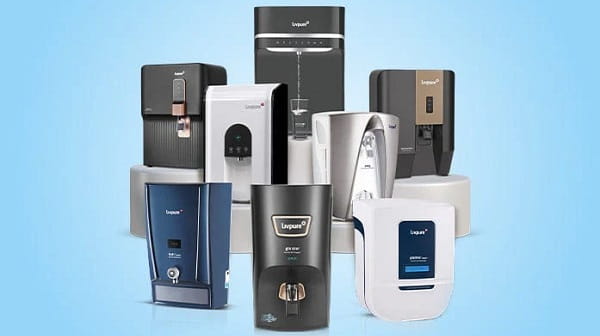
Legal Status of a Water Purifier Dealership
There is no law prohibiting the sale or distribution of water purifiers in India. A person may become an authorised dealer of one brand or operate a multi-brand water purifier store.
A separate central “water purifier dealership licence” is not generally required. However, the business must comply with ordinary commercial registrations and the rules applicable to electrical appliances and water-treatment systems.
A dealer claiming to be an “authorised dealer” must have a valid agreement or appointment letter from the concerned brand. An independent retailer may sell genuine products but should not falsely use the term “authorised”.
Registrations Required for the Business
Depending on the business structure and location, the dealer may require:
- Registration as a proprietorship, partnership, LLP or company
- PAN and a current bank account
- GST registration when applicable
- Shops and Establishments registration
- Municipal trade licence
- Professional tax registration in applicable states
- Udyam registration, if the business qualifies as an MSME
- Importer Exporter Code when importing purifiers or components
If technicians and other employees are hired, labour-related registrations may become applicable after the relevant limits are reached.
Brand Dealership Agreement
A formal dealership agreement should clearly mention:
- Dealer’s authorised geographical area
- Product-purchase targets
- Security deposit, if any
- Dealer margin and payment conditions
- Installation responsibility
- Warranty claim procedure
- Replacement of defective products
- Use of the brand’s logo and marketing material
- Spare-parts supply
- Termination and refund conditions
Dealers should verify the company before paying a large security deposit. Fraudsters sometimes issue fake dealership offers using the name of well-known brands.
BIS and Product Standards
RO-based point-of-use water-treatment systems are covered by IS 16240:2023 and the applicable Water Purification System rules. The Bureau of Indian Standards lists these systems under its product-certification framework.
The manufacturer or importer is normally responsible for obtaining the necessary product certification. However, a dealer should confirm that the supplied models carry the required certification and genuine product identification.
The dealer must not:
- Sell a product carrying a fake ISI or BIS mark
- Remove or alter certification information
- Replace original parts with inferior components
- Sell refurbished machines as new
- Use another company’s trademark without permission
Invoices from the manufacturer or authorised distributor should be preserved to establish the source of every product.
Packaging and Price Requirements
Packaged purifiers and replacement filters must carry the required declarations, such as the manufacturer or importer’s details, product description, quantity where relevant, MRP and customer-care information.
Section 18 of the Legal Metrology Act, 2009 restricts the sale or distribution of pre-packaged goods that do not contain the prescribed declarations.
A dealer cannot charge more than the printed MRP. However, installation, plumbing or additional components may be charged separately when the customer is informed in advance.
Advertising and Purification Claims
Dealers should avoid statements such as “removes every disease-causing organism,” “100% pure water guaranteed” or “suitable for every water source” unless these claims are properly supported.
The right purifier depends on the source water, TDS level and contaminants. An RO system may not be necessary for every household. Dealers should not manipulate TDS readings merely to pressure customers into buying an expensive model.
False performance, warranty or health claims may be treated as misleading advertisements or unfair trade practices under the
Installation, Warranty and AMC Services
Installation should be performed by trained technicians. Unsafe electrical connections, leaking pipes or incorrect drainage can damage property or create an electric-shock risk.
Customers should receive:
- A tax invoice
- Product serial number
- Warranty card
- Installation report
- List of included accessories
- Filter-replacement schedule
- Written AMC terms
- Customer-support contact details
The dealer must not describe a paid service contract as a free warranty. Any exclusions relating to filters, membranes, electrical parts or visiting charges should be explained before the sale.
When Can the Business Become Illegal?
A dealership may violate the law when it:
- Sells counterfeit or uncertified products
- Uses a brand’s name without authorisation
- Creates false dealership documents
- Avoids GST or issues fake invoices
- Charges above the printed MRP
- Makes unsupported health claims
- Installs duplicate filters while billing for originals
- Refuses a valid warranty without justification
- Imports regulated products without applicable approvals
Frequently Asked Questions
Q: Is FSSAI registration required for selling water purifiers?
A: Normally, no. A purifier is an appliance rather than a food product. FSSAI requirements may apply if the business also manufactures, packages or sells drinking water.
Q: Can a dealer sell several water purifier brands?
A: Yes. A multi-brand store is legal, but it should not claim exclusive or authorised status without the concerned companies’ permission.
Q: Does the dealer need a separate BIS licence?
A: The manufacturer or importer normally obtains product certification. The dealer must ensure that products requiring certification are sourced from compliant suppliers.
Q: Can locally assembled water purifiers be sold?
A: They may be sold only when the manufacturer and product comply with applicable certification, labelling, electrical-safety and warranty requirements. Simply assembling imported components does not remove these obligations.