Think about a financial goal you’re saving for, maybe your retirement or a milestone like your child’s education. When the goal is many years away, you may have more time to ride out short-term market ups and downs. As the goal gets closer, however, you may want your investment strategy to become more conservative.
This is where the idea behind lifecycle funds comes in. They are built around the simple thought that your investment should follow a predefined strategy that changes over time as the target date approaches. ICICI Mutual Fund, for example, offers lifecycle funds with specific target years to help investors align their investments with their financial goals.
What is a Lifecycle Fund?
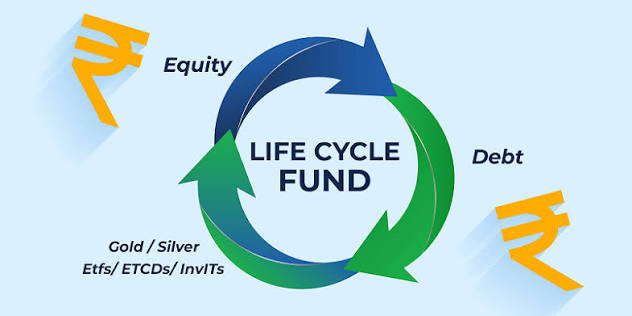
A lifecycle fund is a type of mutual fund built around a specific target year. It follows a predefined glide path, which sets out how the portfolio’s asset allocation is expected to change as the target date gets closer.
In simple terms, a glide path is a pre-set route that gradually changes how your money is spread across equity and debt over time. In the early years, the exposure may be more towards equity, aiming to make the most of the time you have on hand.
As years pass, this could gradually shift towards debt or other relatively less volatile assets, depending on the scheme’s investment strategy.
You are not expected to track or manage this shift yourself, since it is built-in within the structure of lifecycle funds, based on how many years are left until your target date.
What Happens When the Target Date Gets Closer?
As the target year approaches, the portfolio typically moves towards the next stage of its predefined glide path. It may involve:
- Equity exposure may be reduced gradually, rather than a sudden shift.
- Allocation to debt instruments could increase.
- Exposure to other asset classes, if they are part of the fund’s strategy.
- The overall portfolio may aim to lean towards a more conservative approach.
This shift usually does not happen overnight. It tends to unfold gradually, spread across the final stretch of years before your target date arrives. The main idea is to reduce reliance on higher-risk assets as there is less time to recover from a significant market decline.
What This Automatic Shift Means for an Investor
For an investor, the main attraction is convenience.
You may not need to regularly decide when to move money from equity to debt or rebalance the portfolio yourself. Instead, the fund’s predefined glide path handles these changes within the scheme.
This can also make goal-based investing easier to manage. Rather than reacting to every market movement, you can stay invested while the portfolio gradually follows its intended path towards the target year.
What Should You Keep in Mind?
Before choosing a lifecycle fund look at:
- The target year: Does it broadly match when you expect to need the money?
- The glide path: How does the equity-debt mix change over the years?
- The risk level: How much market volatility can you comfortably handle?
- The investment objective: Does the fund’s approach make sense for your particular goal?
- Your overall financial plan: A lifecycle fund is one part of your portfolio and may not suit every financial goal.
Conclusion
In essence, lifecycle funds are built around the thought that your equity and debt mix can change gradually as your target date approaches. The fund starts with an allocation suited to a longer investment horizon and follows a predefined glide path as the target date approaches. The key is to understand how the fund is designed, when you expect to need the money and whether the fund’s approach fits your own financial goals and risk tolerance.